The meaning of surviving
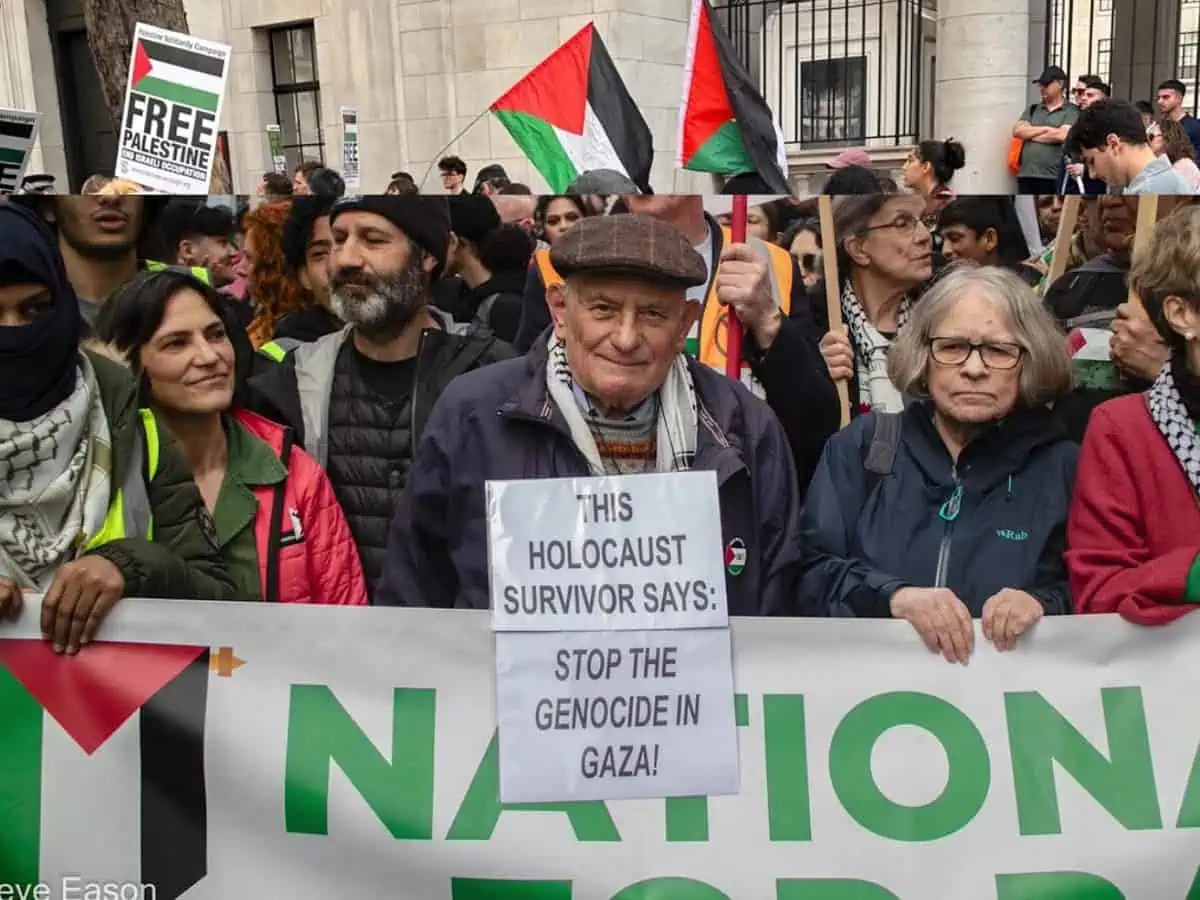
Below is a set of films and related essays, reviews, interviews. Each speaks to a reality of Palestine that frames Palestinian identity as bigger, richer and more human than the current devastation can admit. In fact, one insidious character of the current war is that it reduces Palestinians to haggard bodies. Resistance to this is to remember the fullness of an identity under current criminal erasure.

Wedding in Galilee
Michel Khleifi’s first fiction feature film also was the first such film made by an ‘insider’ as Ella Shohart notes in her review of the film. A lyrical film that captures something human in a context that was and is so anti-human.
Ella Shohat is Professor of Cultural Studies at New York University. Her review of Khleifi’s film is a useful accompaniment and a recommended read.
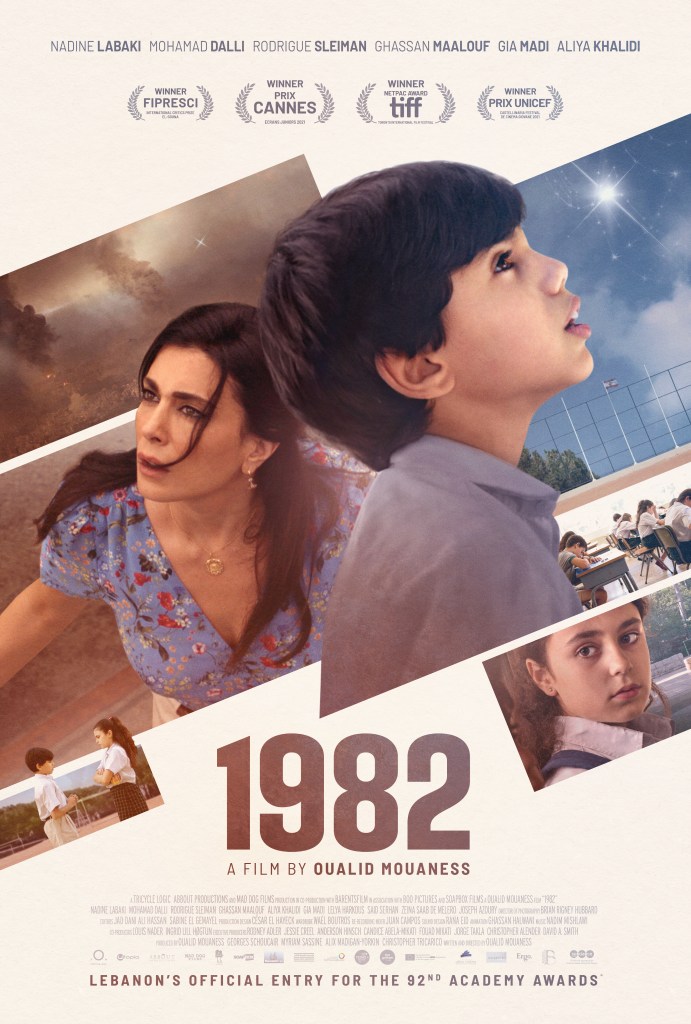
1982
Oualid Mouaness’ debut is a coming of age film set at the beginning of Israel’s invasion of Lebanon in 1982. Told through the eyes of 11 year old Wissam, this tender film juxtaposes the humdrum and micro realities of individuals lives with the much bigger events that unfold as war descends. Though a common convention of storytelling, the film’s use of this convention humanises Lebanon as war rages again in the region.
This interview with Mouaness is an excellent addition to the film and the biographical details that informed his filmmaking.
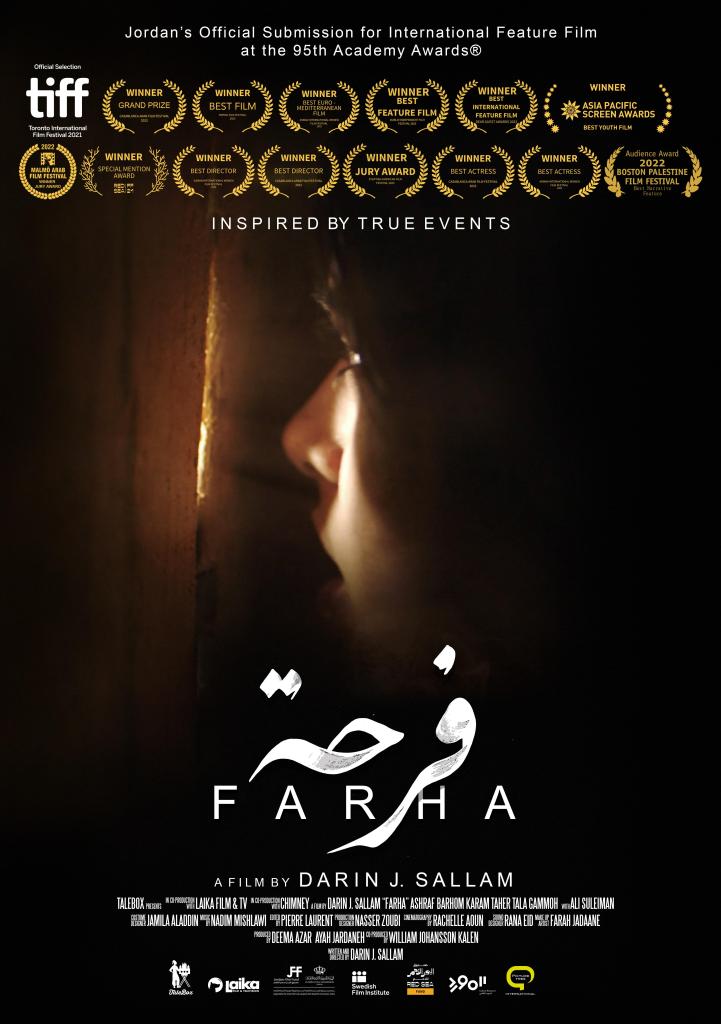
Farha
Darin J Sallam’s debut film ran into controversy as Netflix came under pressure to remove the film from its streaming platform. One of the few films depicting imaginatively the Nakba (the catastrophe, a Palestinian term for the death and expulsion of Palestinians that accompanied the establishment of the state of Israel). This film is an important intervention in the popular historiography of Palestine.
This essay by Nicholas Mirzoeff is a good and powerful read alongside Sallam’s film. As Mirzoeff states ‘[if] “freedom is a place,” solidarity is also a place’ (p59).
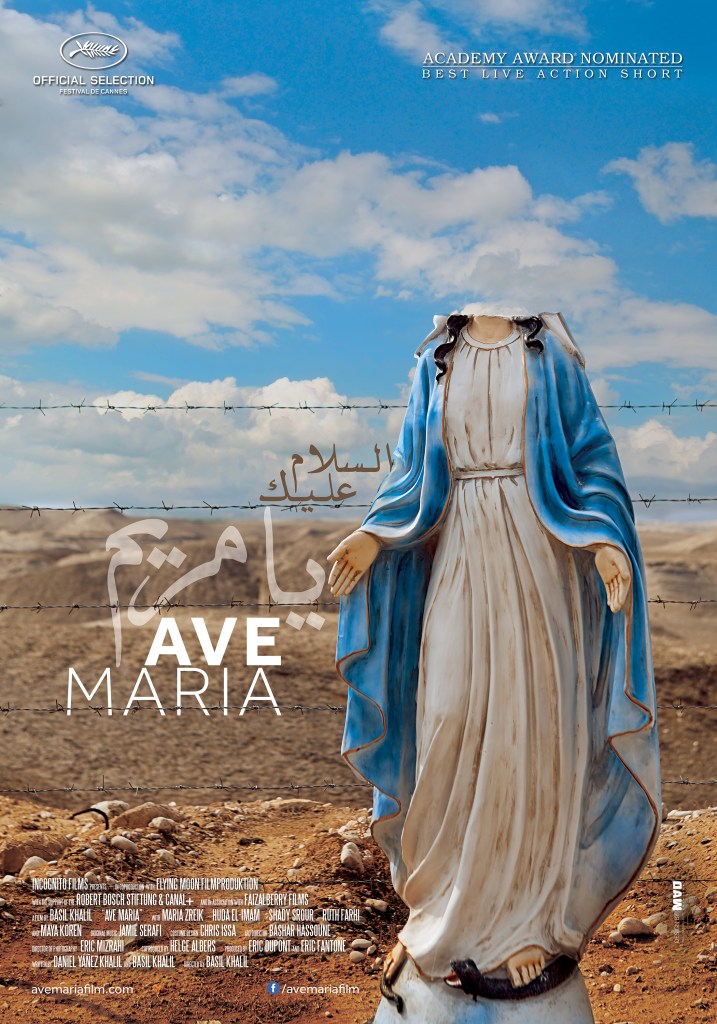
Ave Maria
Basil Khalil’s short film is full of humanity, humour and a defiance to not be defined by violence. In striking its off-beat note, it compels us to see Palestine as a place of imagination, creativity, and the better aspects of human nature that machinery of war tries to wear down. To laugh seems inappropriate in among the terrible devastation of the present moment; but to laugh is also to deride war criminals and populations of people caught in (what Owen Jones has called) genocidal mania.
This article from Al Jazeera about Khalil’s film is a good read and helps set the film in a wider context.
 Alliances of Understanding