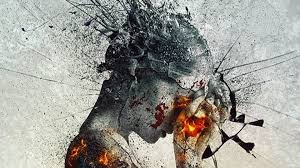
Drawing on intersubjective-systems theory and the Open Dialogue tradition, this curation gathers sources to both memorialise and critically challenge the narratives that have hardened since the attacks of October 7 2023
In Stolorow’s terms, trauma shatters the “absolutisms of everyday life,” leaving people estranged unless their anguish finds a relational home—a context of human understanding in which unbearable affect can be named and held. Open Dialogue (as imagined in the work of Jaakko Seikkula and Mary E. Olson) offers one such practice: a polyphonic, network-based way of meeting crises that privileges safety, frequent convenings, tolerance of uncertainty, and speech that allows previously unsayable experience to enter shared language. Drawing on the scholarship and ideas of these writers, the curation below is underpinned by the belief that the only way to shared futures is to talk—to convene those most affected, their communities, and witnesses in conversations that refuse premature closure and make room for multiple, even contradictory, truths.
Drawing on these frameworks, the materials curated here aim to cultivate a language of understanding and, over time, forgiveness—not as erasure or absolution, but as the shared labour of rehumanisation that keeps open the possibility of living together after catastrophic loss

October 7 two years on: Israelis and Palestinians caught between two conflicting ideas of peace, by Yuval Katz, Lecturer in Communication and Media, Loughborough University
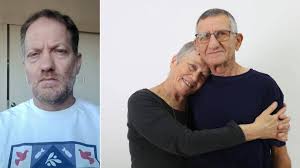
Maoz Inon lost his parents on October 7. He speaks to Sky News and talks about how both ‘Israelis and Palestinians [are] trapped…within a cycle of violence, of revenge…that hasn’t [sic] started on Oct 7, it has started about a century ago…’

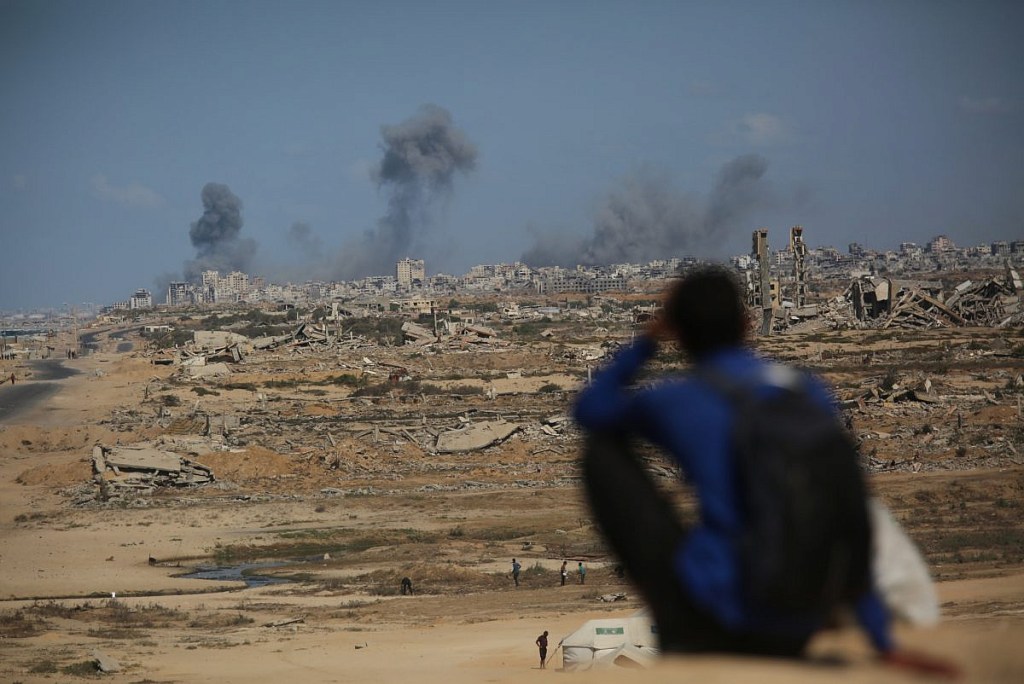
‘“Words don’t mean anything anymore.” This is one of the most common sentiments I hear from family, friends, and colleagues still in Gaza. Two years into Israel’s relentless genocide, what we are left with is not only a trail of bodies and ruins but also a brutal collapse of meaning itself.’ An article by Muhammad Shehada published in +972 Magazine.
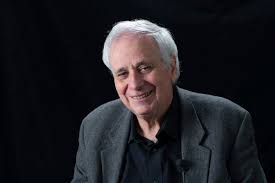
 Alliances of Understanding